
Enhancing Drone GPS Signal Performance
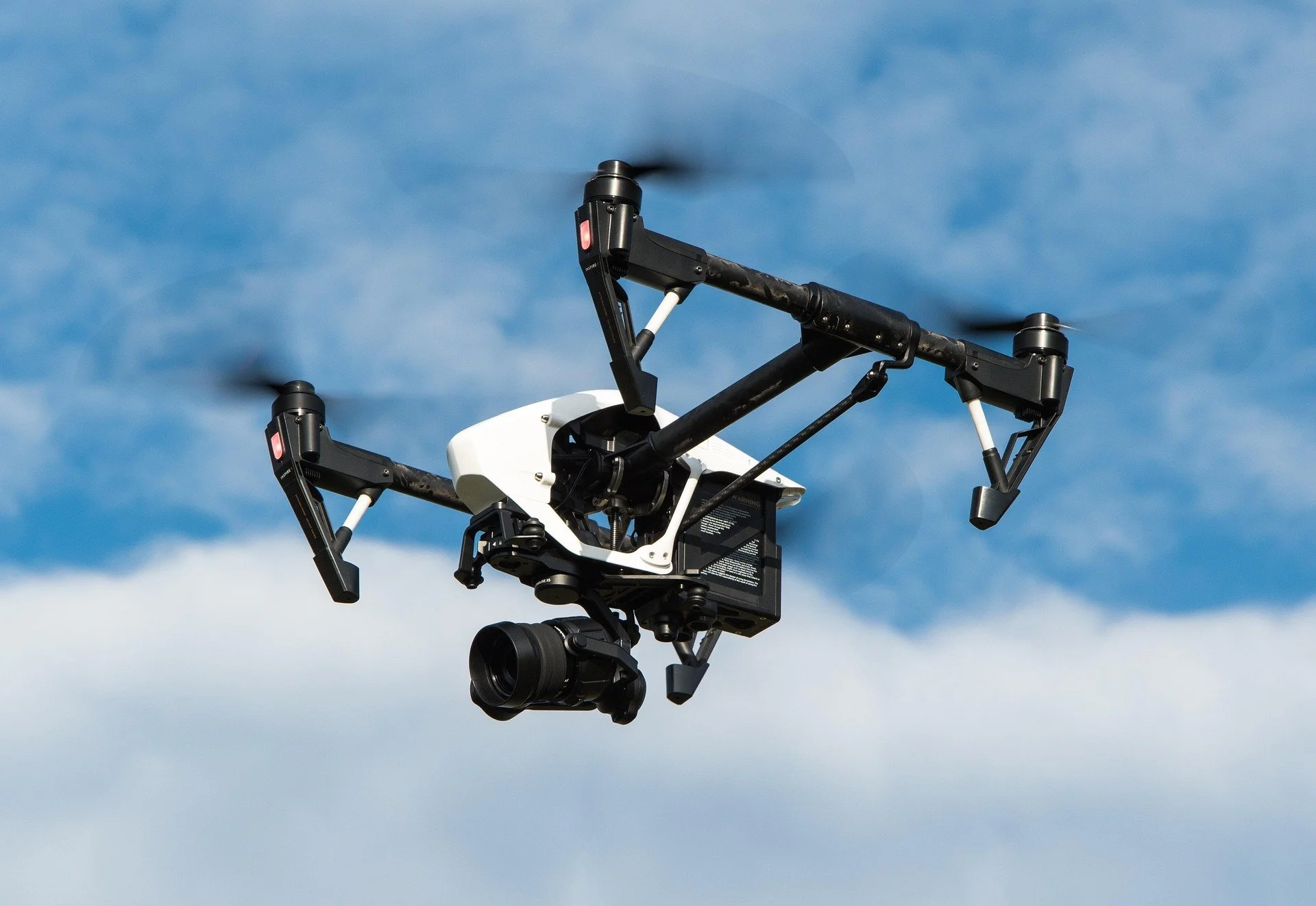
The Solution
Yokowo’s engineering team conducted a series of in-depth benchmarking tests to uncover the root causes of signal loss in drones. Their focus was on signal behavior under different conditions:
Signal Reception Measurements – Comprehensive analysis of signal strength, stability, and quality under varying flight and environmental conditions.
GPS Antenna Receptivity Testing – Rigorous testing of different antenna models and mounting configurations to evaluate how each variable influenced signal capture and retention.
Optimization Recommendations – Identification of the optimal antenna type and positioning to maximize GPS signal reliability while minimizing interference.
Through these tests, Yokowo isolated the precise technical factors that limited signal performance and provided clear, actionable improvements.
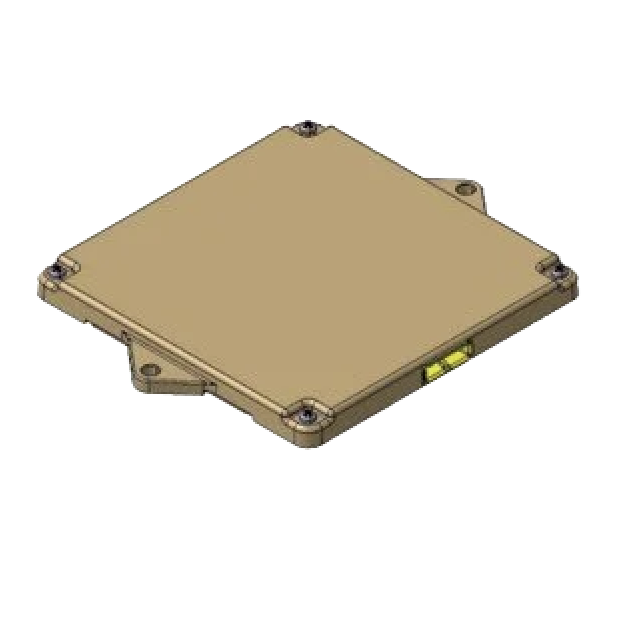
The Challenge
Drone operators often face sudden drops or complete losses of GPS connectivity during flight. These interruptions—caused by interference, weak antenna performance, or poor mounting locations—directly impact navigation accuracy and can even lead to drone loss. The central challenge was not just maintaining connectivity, but ensuring consistent, high-quality signal reception in demanding environments, especially urban environments.
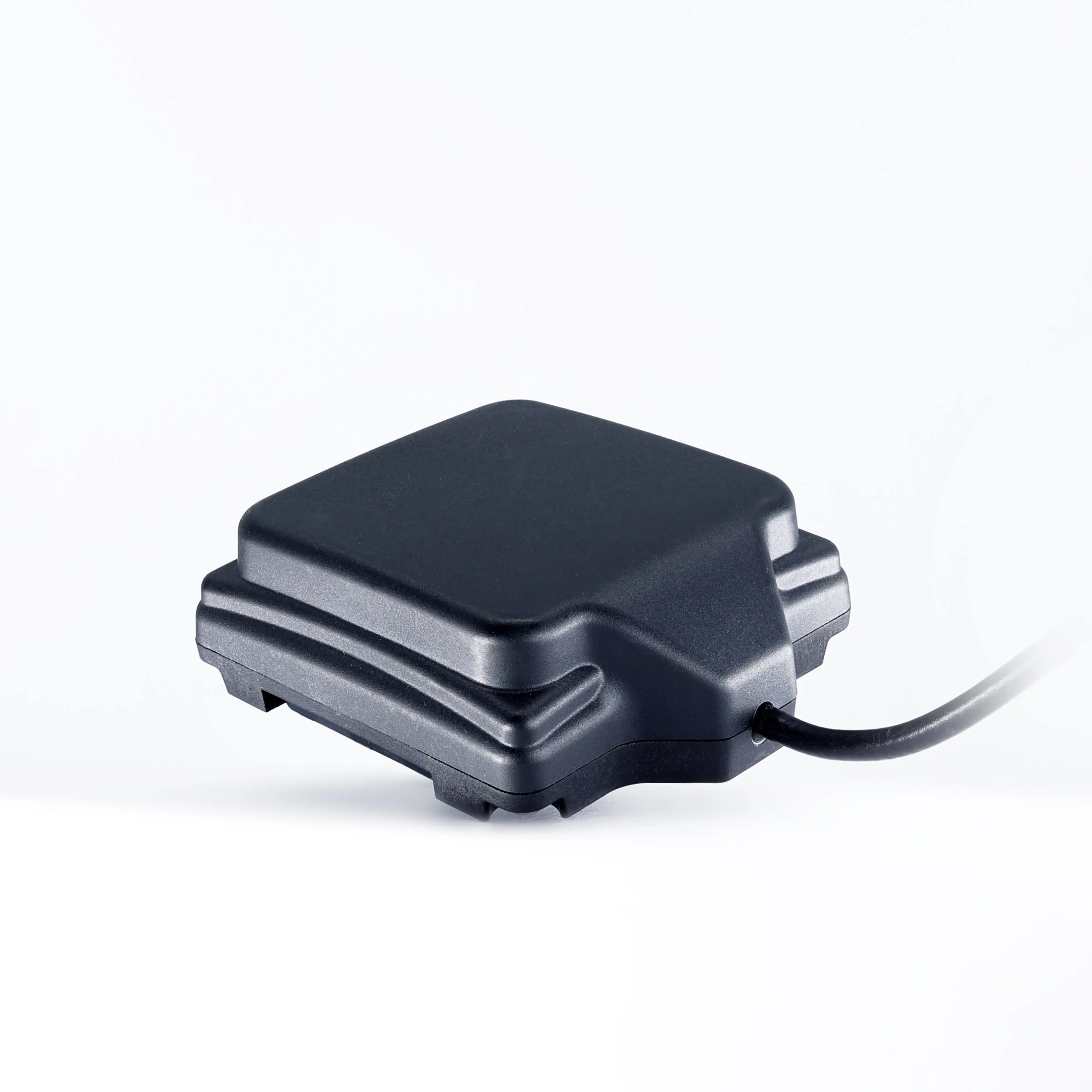
The Results
By combining higher-performing antennas with optimized mounting positions, drones achieved a significant improvement in GPS signal reception. Results included:
Stronger, more consistent GPS connectivity.
Reduced signal loss events, minimizing operational disruptions.
Safer, more reliable drone operations.
These enhancements in signal performance directly enable new possibilities for drones in smart cities, where real-time monitoring, data collection, and delivery services depend on uninterrupted GPS precision. Stronger signals ensure resilient infrastructure support, enhanced safety for citizens, and greater reliability for critical urban applications.